My ankle never felt right after a tackle in 1994 - what now?
If you’re reading this, chances are you’ve been carrying that nagging ankle pain or instability for years, maybe decades. Perhaps it all started after a crunching football tackle back in the '90s — when the game was rough, the strappings thick, and the culture sometimes brutal about reporting injuries. I know that feeling well. I’m a former semi-pro with 11 years in and around football’s grit and grind, and sadly, a drawer full of old straps and tape tells the story better than words sometimes.
In this post, I’ll break down why your old ankle injury pain might never have quite settled, what long-term problems could develop, why "rest it" isn’t good enough advice, and what practical steps you can take now — whether knee osteoarthritis symptoms you’re still kicking a ball about or just want to get off your ankle without grimacing.
The football culture and stigma around reporting pain
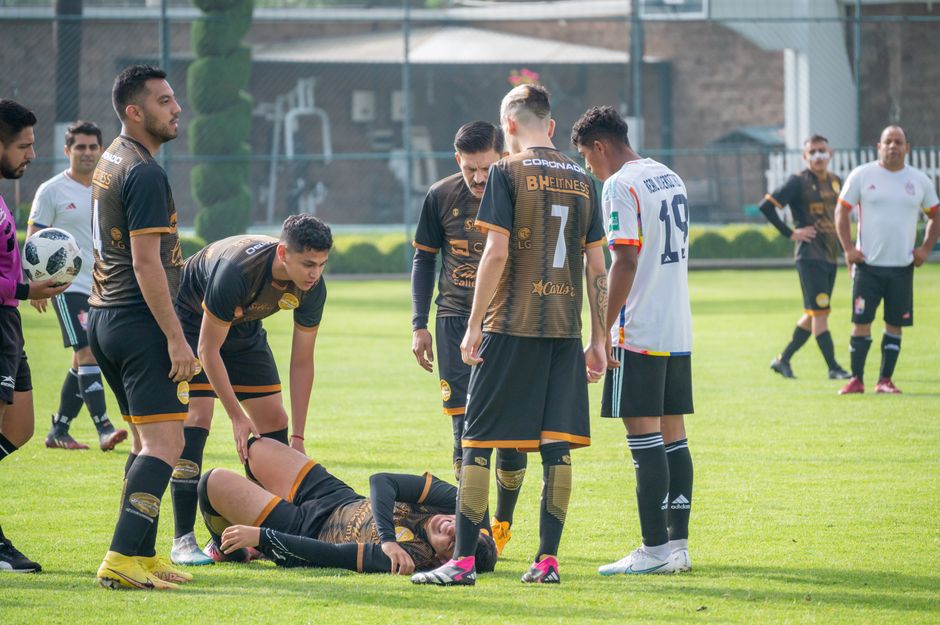
Back when you got tackled in 1994, the mindset in football was clear: “Suck it up, get back on, don’t make a fuss.” Being honest about pain was often seen as a weakness. Coaches and team-mates sometimes punished players who reported injuries — either with less game time or harsh words. It was common to play through pain because the priority was the team, the win, the reputation.
That culture leads to underreporting, inadequate treatment, and a high risk of things healing imperfectly. Ligaments might have been strapped and you put back out there before proper healing. That’s a recipe for chronic problems later.
Why does it matter now?
Lingering symptoms decades after injury are very common. The problem is football ankle arthritis, persistent pain, and instability don’t just start suddenly. They creep up, linked to that early damage combined Visit website with years of wear and tear.
Long-term outcomes: football ankle arthritis and persistent pain
So, you’ve had persistent “old ankle injury pain” for years. What’s really going on under the hood?

- Osteoarthritis of the ankle: This is a wear-and-tear condition where the cartilage in your ankle joint gradually thins. Past ligament injury increases joint instability, which means uneven pressure and faster break-down.
- Lingering ligament damage: Ligaments don’t always heal perfectly. Scar tissue replaces some normal fibres—making the ankle prone to repeated injuries or “giving way.”
- Persistent pain and swelling: Often, it’s not just structural damage but changes in how your nervous system processes pain, called central sensitisation, where the ankle feels sore even if damage is minimal.
How do these problems develop?
Three main factors explain the gradual worsening over years:
- Imperfect healing: That original ligament sprain or tear doesn’t fully knit back together as before. Some laxity and weakness remains.
- Cumulative loading: Football, walking, running every day puts repeated stresses on that ankle—especially if stability isn’t perfect. Over decades, this wears joints out.
- Central sensitisation: The nervous system can become overly sensitive at your spinal cord or brain level, amplifying pain signals from your ankle even without new injury.
Why “just rest it” is vague and unhelpful advice
When you’ve had ankle pain for years, you’ll often hear: “Just rest it.” This doesn’t pass my sniff test. Here's why:
- Rest can weaken: Ankle muscles and ligaments need movement and load to stay strong and support joints.
- Loss of confidence: Avoiding use can make the ankle feel more unstable and prone to giving way.
- No healing boost: Rest alone won’t fix the irregular tissue or nervous system sensitisation causing pain.
Instead, active rehab with graded exercise and strengthening helps the ankle, improves function, and reduces pain over time.
What has changed in the last 6 weeks?
This is my go-to question with anyone facing chronic ankle issues. The answer helps pinpoint if there’s a flare-up or fresh injury or just the natural ebb and flow of symptoms:
- Have you increased your activity or changed surface recently? (e.g., started running on uneven ground)
- New shoe or boot that offers less support?
- Long periods of rest or immobilisation that may have weakened muscles?
- Weight gain, which adds more load to your ankle joint?
- Any new trauma or ankle twist?
Answering this can guide if you need to modify activities, ramp up rehab, or seek professional input.
Active rehab for old ankle injury pain: graded exercise and strengthening
Here’s the practical approach I recommend:
- Avoid total rest: Keep active but tailor activities to avoid flares.
- Graded loading: Slowly increase the intensity and complexity of ankle activity in a controlled manner.
- Strengthening: Focus on muscles around the ankle (peroneals, tibialis anterior/posterior, calf complex).
- Balance and proprioception: Using wobble boards or single-leg stands helps rebuild ankle stability and reduces injury risk.
- Pain management: Use ice or anti-inflammatories judiciously, and consider expert advice for persistent pain.
- Support: You may benefit from ankle braces or taping during activities to improve stability.
Sample home rehab exercises
Exercise Description Reps / Duration Heel Raises Stand on both feet, slowly raise heels to stand on toes, then lower down. Progress to single leg. 3 sets of 10-15 Band resisted ankle inversions/eversions Attach resistance band to foot, move foot inwards (inversion) or outwards (eversion) against the band. 3 sets of 10 each direction Single-leg balance Stand on affected leg, maintain balance. Progress to eyes closed or unstable surface. 3 x 30 seconds Alphabet writing Sit and trace the alphabet in the air using your foot, moving at the ankle joint. Once dailyWhen to seek professional help
If self-managed rehab doesn’t improve your symptoms over 6–8 weeks, consider:
- Visiting an MSK physio or specialist experienced with sports-related ankle injuries.
- Getting imaging (MRI or ultrasound) to check for persistent ligament damage or early arthritis.
- Discussing advanced management options if pain is severe.
Options beyond rehab: medical cannabis pathway and private clinics
Some people explore medical cannabis for chronic pain relief, but be wary. The UK Anti-Doping (UKAD) website has helpful guidance on cannabis legality in sports and medical contexts.
In the UK, private clinics offer pathways for medical cannabis prescriptions, but these often require documented trials of conventional treatments and thorough medical evaluation. It’s not a first-line treatment but might be considered for persistent severe pain under expert care.
Final thoughts
Your old ankle injury pain isn’t just “something to live with.” It’s a complex interplay of tissue healing, joint wear, and nervous system changes—often rooted in the football culture that discouraged proper care decades ago. The good news: with the right approach, you can improve function, reduce pain, and get on with life.
Stop blaming yourself for not “toughing it out” years ago. Many of us did the same. Instead, focus on what you can do now — active rehab, smart exercises, and professional advice where needed. And remember, vague advice like “just rest it” or “it will get better” doesn’t cut it. Your ankle deserves better than that.
If you need more information on medical cannabis or want to discuss your rehab plan, seek qualified professionals who understand sport-related injuries and chronic pain management.
And finally, if you’re a football fan with a dodgy ankle, share your story and rehab tips with your club’s physio or local community — let’s help each other stop walking on sore ankles in silence.