What Causes Pickleball Shoulder Pain: Serve vs Rally
If you’re hitting the courts regularly, you’ve surely experienced some shoulder soreness or discomfort at some point. As a morning pickleball player myself, I’ve listened to plenty of injury tales hanging around the benches, where the real stories come out. Today, we’re diving deep into the pressing question:
What Causes Pickleball Shoulder Pain: Comparing the Serve and The Rally
Understanding shoulder pain in pickleball means dissecting two critical phases sarasotamagazine of play—the overhead serve and the rally. Each involves distinct mechanics and loads, and both can stress your shoulder in unique ways.
Overhead Serve Shoulder Strain
The overhead serve in pickleball is one of the most demanding motions on your shoulder. Think of it as a mini overhead smash: the arm rapidly accelerates to launch the ball and then suddenly decelerates to avoid injury. This overhead serve shoulder strain primarily stresses the rotator cuff muscles, which play a pivotal role in both powering and controlling the movement.
Unlike tennis, pickleball serves often come from a lower stance and with more compact motions, but the frequency of serves during recreational matches can add up quickly. It’s not a single dramatic motion that usually causes pain but the repetitive strain, especially when you skip proper warm-up and recovery.
Overhead Smash Deceleration and Rotator Cuff Fatigue
Not just during serves, but during rallies, pickleball involves sudden overhead smashes that require quick deceleration of the arm. That deceleration is crucial—if your rotator cuff fatigue sets in because of overuse, your muscles and tendons can’t absorb these forces effectively, which causes irritation and inflammation.
Overhead smash deceleration involves eccentric contraction of the rotator cuff muscles—meaning they lengthen under load as they slow down your arm. When fatigued, this controlled braking mechanism weakens, and injuries such as tendonitis and impingement can develop.
Why Overuse and Frequency Are Bigger Culprits Than One Bad Serve
One myth that irritates me (and probably many seasoned players) is blaming a single “bad serve” or “bad shot” for persistent pain, especially when players haven’t accounted for play frequency or recovery time. It’s the overuse and repetition day after day, often without proper rest or warm-up, that drives most gradual-onset injuries.
One rule I’ve learned and always ask: “What changed in the last two weeks?” More play time? Skipping your usual warmup? Returning too early from injury? These factors tell the real story behind new aches and pains.
- Warm-Up Matters: Counting warm-up minutes out loud (always 8-10 minutes minimum for shoulders) reminds me and my paddle buddies that cold tendons hate sudden loads.
- Ignoring Early Warning Signs: Small twinges during play or night pain are signals your rotator cuff is irritated.
- Too Much Too Soon: Jumping from one to three pickleball sessions per week too rapidly without easing in invites overload injury.
Aging Tendons Adapt More Slowly
One thing you can’t fight is time. As we age, our tendons naturally lose elasticity and blood supply, which means they tolerate sudden loads poorly and recover slowly from irritation. This adaptation lag means older players need to be extra cautious about volume and intensity.
For many players in their 40s, 50s, and beyond, the typical “weekend warrior” syndrome is very real — cramming in lots of pickleball without proper conditioning causes persistent tendon issues rather than acute traumas.
Symptoms That Point to Rotator Cuff Irritation
What’s the difference between your run-of-the-mill muscle ache and true rotator cuff trouble? Keep a lookout for:
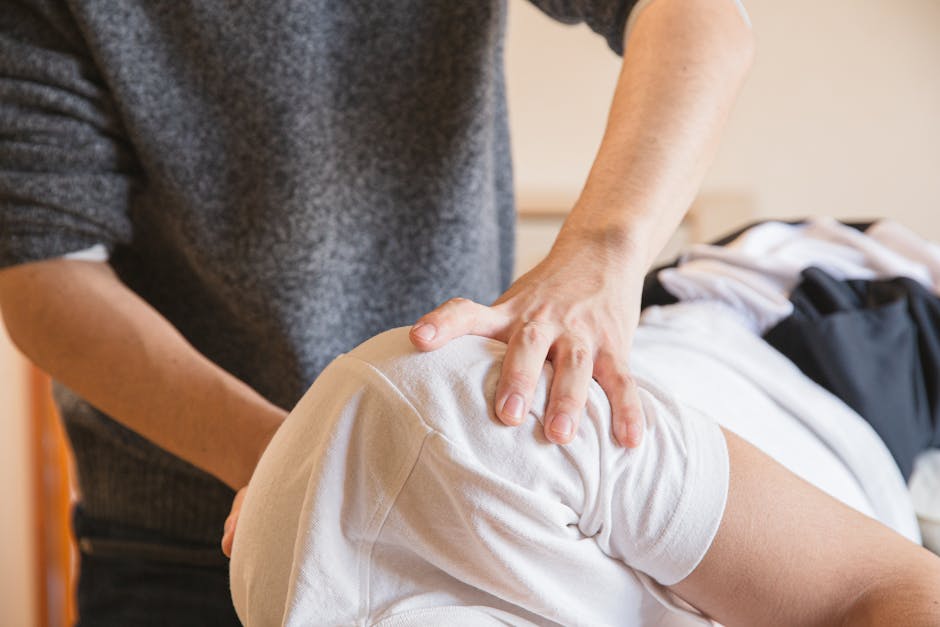
- Night Pain: Shoulder pain that wakes you at night or prevents comfortable sleeping positions is a classic sign of rotator cuff irritation.
- Behind-the-Back Reach Limits: Difficulty reaching behind your back — think tucking in a shirt or grabbing your wallet — can indicate rotator cuff tendon tightness or inflammation.
- Weakness or Slowing of Serve Speed: When your usual snap fades, that’s rotator cuff fatigue in action.
Elbow Pain: Not Just About the Shoulder
My longtime on-court observations reveal that many shoulder pain stories segue into or start as elbow discomfort. This commonly stems from a tight paddle grip and “arm-dominant” mechanics — basically, players using their forearm and wrist excessively to generate power rather than engaging the body's larger muscle groups effectively.
Over-gripping stresses the forearm muscles and tendons, often resulting in "pickleball elbow" or lateral epicondylitis. The tight grip also sends shockwaves up the kinetic chain, adding strain to the shoulder’s musculature and tendons.
Light resistance bands tucked in my paddle bag double as an ideal warm-up tool to activate shoulder stabilizers and train grip relaxation, helping reduce this cascade of discomfort. If you’re serious about longevity on the courts, I recommend including this in your warm-up and cool-down routine.
Natural Support: Using CBD Gummies for Recovery
For players looking for gentle support during recovery, many have found Joy Organics organic CBD gummies a helpful addition to their regimen. The natural anti-inflammatory properties of broad-spectrum CBD help ease joint and muscle soreness without the grogginess or harsh side effects sometimes associated with other medications.
These gummies are third-party lab tested, organic, and crafted with care — a natural alternative many pickleballers appreciate after long sessions or on rest days.
Summary Table: Serve vs Rally Shoulder Pain Factors
Aspect Overhead Serve Rally Primary Action Rapid arm acceleration and sudden deceleration Quick overhead smashes and repetitive shots Main Shoulder Strain Overhead serve shoulder strain Overhead smash deceleration stress Muscle Group Involved Rotator cuff muscles (particularly supraspinatus and infraspinatus) Rotator cuff and scapular stabilizers during repetitive motion Typical Injury Pattern Rotator cuff tendonitis due to overload Rotator cuff fatigue and impingement syndrome Contributing Factors Insufficient warm-up, sudden increases in serve frequency High rally volume, arm-dominant mechanics, tight grip Symptom Differences Night pain, reduced serve speed Behind-the-back reach limits, persistent ache during playFinal Thoughts
Taking care of your shoulder for pickleball longevity means understanding that pain often sneaks up from overuse and frequency, not a single dramatic incident. Aging tendons require more patience and respect; jumping into intense play after skipping your warm-up or ignoring creeping stiffness is a recipe for rotator cuff fatigue and shoulder injury.
Next time you step on the court, allocate at least 8 minutes to warming up those shoulder muscles, keep your grip relaxed, and incorporate some light resistance band exercises to fire up your rotator cuff. And if your shoulder is protesting during rest or night hours, don't overlook the signs—you might want to modify your play or explore recovery aids like Joy Organics organic CBD gummies to support your joint health.
Keep serving smart, rally steady, and most importantly—enjoy the game without pain.
Photo credit: Brendan Sapp / Unsplash
```