What Does Gallio PRO Blur Automatically in Security Footage?
Running busy multi-provider clinics means juggling patient care alongside privacy and security demands. Closed-circuit television (CCTV) cameras are essential for safety and operational insight, but they can also capture more than intended—exposing sensitive patient information, staff badges, or license plates. That’s where Gallio PRO comes in, restroom camera illegal offering on-premises visual redaction and anonymization with smart, role-based controls.
Why Data Minimization Matters for Clinic CCTV
The principle of data minimization is simple but powerful: only collect what you truly need, keep it only as long as necessary, and protect patient privacy at every stage. Over-collection of data via poorly placed cameras or unsecured footage can lead to HIPAA risks, staff discomfort, and general privacy erosion.
While many clinics save hours of footage “just in case,” this practice often captures sensitive info—for instance, patient faces in waiting rooms, computer monitors showing patient records, or vehicle license plates in parking lots. These details are not always essential to the camera’s security purpose and represent compliance risk if not masked or minimized.
Introducing Gallio PRO: Visual Redaction Made Practical
Gallio PRO is an on-premises software tool that automates visual redaction of sensitive elements in CCTV footage prior to review or export. Unlike cloud services, Gallio PRO ensures footage doesn't leave your clinic’s local environment, strengthening data security.
The key automatic blurring features include:
- Face blurring: Detects and blurs all human faces captured on camera—even in motion and low-light situations.
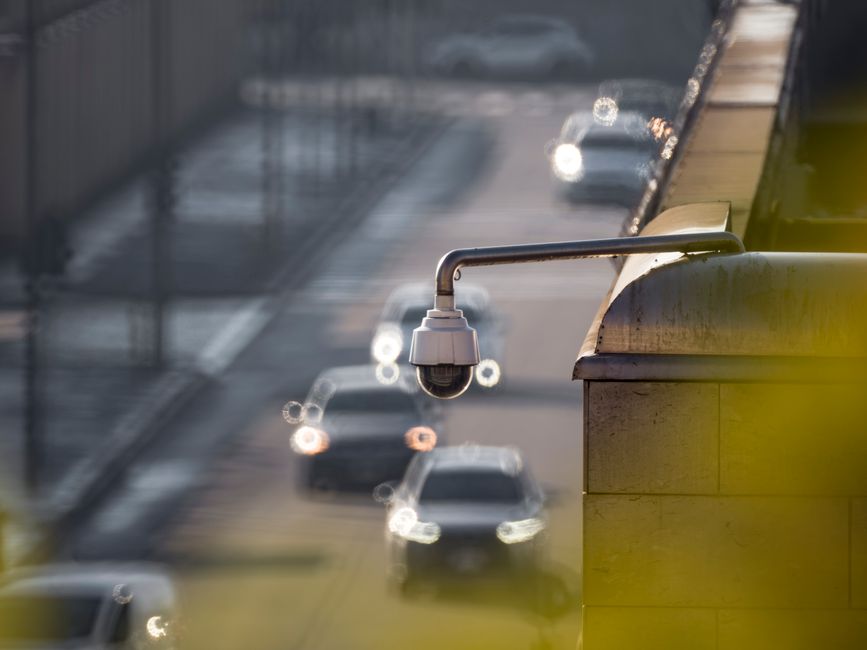
- License plate blurring: Automatically identifies and blurs vehicle license plates in parking areas or driveway entrances.
- Other object anonymization: Optional blurring for badges, computer screens, and documents—based on your camera’s field of view.
This automated detection feature dramatically reduces manual video editing time, cuts down on inadvertent disclosures, and helps clinics enforce robust privacy-safe workflows.
Purpose-First Camera Justification: Why, What & Where
Before adding or relocating cameras, ask, “ what incident are we trying to solve or deter?” This helps ensure each camera’s presence is justifiable and purpose-driven with minimal over-collection.
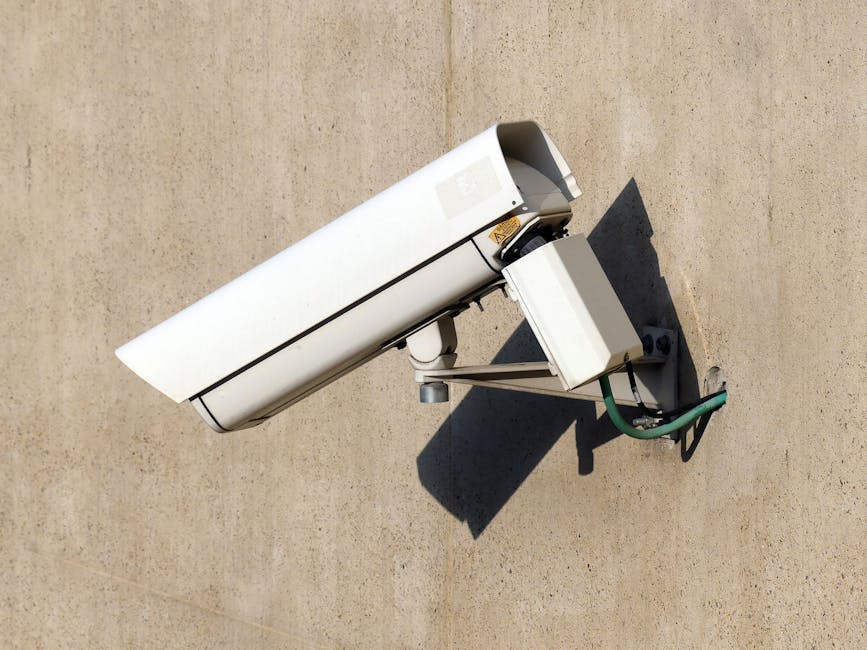
Common Valid Camera Purposes in Clinics
- Monitoring entrances and exits for unauthorized entry.
- Overseeing reception desks and cash drawers to reduce theft.
- Protecting waiting rooms for staff and patient safety.
- Securing parking areas for vehicle and personal safety.
Each camera’s placement and field of view should align tightly with these purposes. Avoid aiming reception cameras at monitors or paperwork—these areas often display patient names or health info that doesn’t relate to security goals.
Optimizing Camera Placement to Avoid Over-Collection
Careful camera placement is your first line of defense against unnecessary data exposure. Here are best practice tips for clinics:
- Camera height & angle: Place cameras high enough to capture activity but angled away from monitors or personal documents. For example, “Camera 2” at reception should focus on the cash drawer angle, not the computer screen.
- Field-of-view reviews: Regularly review each camera’s live and recorded angle to confirm it captures only necessary areas.
- Physical markers: Use signage or visual cues in the camera’s view to remind staff and patients about recorded areas, fostering transparency.
- Limit reception-area camera use: For sensitive administrative zones, try using signage and staff presence instead of cameras focused directly on workstations.
Role-Based CCTV User Accounts: Secure Access, No Shared Passwords
Gallio PRO requires authenticated, role-based CCTV user accounts. This means only named users with defined roles (e.g., Security Manager, Clinic Manager) can access footage or redaction features—eliminating shared passwords that risk unauthorized use or audit trail gaps.
Benefits include:
- Clear accountability for who viewed or exported footage.
- Granular access control, limiting unnecessary viewing of sensitive areas.
- Audit logging of all CCTV system interactions for compliance and review.
Field-of-View Reviews and Documentation
Good practices include systematically reviewing and documenting each camera’s field of view quarterly to identify and correct privacy risks. Documenting prevents drifting coverage where “scope creep” can add unintended sensitive areas.
Review Step Description Recommended Frequency Live Camera Preview Observe real-time footage to confirm camera overview matches intended coverage. Quarterly Recorded Footage Sample Review sample clips to identify any sensitive details captured (faces, documents). Quarterly Adjust & Document Changes Update camera angle, label, and privacy notes accordingly. After any changes or quarterly
Maintaining a documented “camera map” and field-of-view checklists supports privacy compliance and staff awareness.
Incident Notes: Keep It Simple and Purpose-Driven
When reviewing footage or responding to incidents, use short, clear notes referencing what was found or redacted. Example:
“Camera 4 parking lot footage reviewed. License plates blurred automatically. No unauthorized persons detected.”Clear notes tied to a specific incident help clinics respond efficiently and demonstrate ongoing privacy diligence during audits or investigations.
Summary: How Gallio PRO Supports Clinic Privacy & Security
- Automated face blurring and license plate blurring reduce privacy risks without manual editing.
- On-premises processing keeps sensitive footage local, lowering data breach exposure.
- Role-based accounts prevent shared-password risks and provide clear audit trails.
- Purpose-driven camera placement and field-of-view reviews minimize unnecessary data capture.
- Regular documentation supports ongoing privacy compliance and transparency.
Adopting Gallio PRO’s automated anonymization alongside good physical camera practices means busy clinics can keep their eyes on security without compromising patient privacy. It’s a practical, privacy-first approach to everyday clinic safety.